

Hormonal Disorder
Hormonal Disorders are conditions caused by an imbalance in the body's hormones, like estrogen and progesterone, which disrupts metabolism, mood, and reproductive health.

Indigestion
A general term for discomfort in the upper abdomen, often involving bloating, fullness, or a burning sensation (heartburn).

Acne
A common skin condition that occurs when hair follicles become plugged with oil and dead skin cells, causing pimples, blackheads, and cysts.

Asthma
A chronic condition where airways narrow and swell and produce extra mucus, making breathing difficult and triggering coughing and wheezing.

Migraine
A moderate to severe throbbing headache, often unilateral, accompanied by symptoms like nausea and sensitivity to light and sound.

Personality Disorder
A group of mental conditions involving unhealthy and rigid patterns of thinking, functioning, and behaving.

Depression
A common and serious mood disorder causing persistent sadness, loss of interest, and often physical symptoms like changes in sleep and appetite.

Thyroid Swelling
A general term for any enlargement or lump in the thyroid region, which may occur due to goiter, cysts, or inflammation.

Poor Weight Gain
A condition where a child or infant does not gain weight at a healthy rate for their age, often requiring nutritional or medical investigation.
Kidney Stone
Hard deposits of minerals and salts that form inside the kidneys and can cause severe pain as they pass through the urinary tract.

Hypothyroid
An underactive thyroid gland that does not produce enough thyroid hormone, leading to a slow metabolism, fatigue, and weight gain.r

Hairfall
A general term for hair loss, which can be temporary or permanent, often caused by genetics, hormones, or underlying medical conditions.

Skin Allergy
A general immune system reaction to substances (allergens) on the skin, causing symptoms like redness, swelling, burning, and itching.

Allergies
Allergies are the immune system's abnormal reaction to harmless substances (allergens), causing symptoms like sneezing, rashes, or wheezing

Crigler Najjar Syndrome
A rare autosomal recessive disorder causing severe jaundice from bilirubin buildup, which can damage the brain if untreated.

Fungal Infection
A common skin condition caused by fungi, leading to itching, redness, and circular rashes (e.g., ringworm, athlete’s foot).

DMD
A genetic disorder causing progressive muscle weakness and degeneration, mainly in young boys.

Congenital Hypothyroidism
A condition in newborns with an underactive thyroid, leading to low hormone levels that affect growth and brain development; requires early treatment.

Vitiligo
A chronic condition causing white skin patches due to loss or malfunction of pigment-producing cells (melanocytes).

Genetic Diseases
The study of hereditary disorders caused by gene or chromosome changes leading to genetic diseases.

Congenital Diseases
Disorders present at birth affecting structure or function, caused by disruptions during fetal development.

Fibroids
Non-cancerous growths in the uterus that can cause heavy bleeding, pelvic pain, or pressure symptoms.

Varicocele
An enlargement of veins within the scrotum, often described as a "bag of worms," which can cause discomfort and impact male fertility.
Hashimoto's Thyroiditis
An autoimmune disease where the immune system attacks the thyroid, often leading to hypothyroidism (underactive thyroid).

Epilepsy
A neurological disorder characterized by recurrent, unprovoked seizures due to abnormal electrical activity in the brain.

Child Diseases
Child Diseases are health issues affecting children, spanning from common respiratory problems and infections to complex developmental and genetic conditions (Autism, Down Syndrome).

Cerebral Palsy
A group of disorders affecting a person's ability to move and maintain balance and posture, caused by abnormal brain development or damage.
Urticaria
A skin reaction causing raised, itchy welts (wheals) that can appear suddenly and are often a response to an allergen.
Wheat Allergy
An immune reaction to proteins found in wheat, with symptoms ranging from mild to life-threatening anaphylaxis.

Warts
Small, rough skin growths caused by the Human Papillomavirus (HPV) infection.

Hyperthyroid
An overactive thyroid gland that produces too much thyroid hormone, speeding up the body's metabolism and causing symptoms like weight loss and rapid heart rate.

Menopause
The permanent end of menstruation and fertility, generally defined as 12 months without a period, typically occurring around age 50.

Pain in Abdomen
A general symptom of discomfort located between the chest and groin, with causes ranging from benign to life-threatening (e.g., appendicitis).

Flatulence
The expulsion of gas from the digestive system, a common symptom of indigestion or dietary factors.

Epistaxis
Bleeding from the nose, often caused by trauma, dry air, or underlying conditions like high blood pressure.

Eczema
A general term for groups of conditions causing inflamed, itchy, and dry skin (see Atopic Dermatitis).
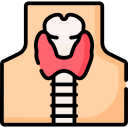
Thyroid
A butterfly-shaped endocrine gland that produces hormones (T3, T4) crucial for regulating the body's metabolism, growth, and overall functioning.

Dysphagia
The medical term for difficulty or discomfort in swallowing, which can be due to problems in the throat or esophagus.

Cough
A sudden, forceful expulsion of air from the lungs, a protective reflex often caused by irritation, infection, or allergy.

Carpal Tunnel
A condition causing numbness, tingling, or pain in the hand and arm, due to a pinched nerve in the wrist.
Appendicitis
Inflammation of the appendix, typically causing acute pain in the lower right abdomen and requiring urgent surgery.

Rickets
A bone disease in children caused by a vitamin D deficiency, leading to soft and weakened bones and skeletal deformities.

Molluscum Contagiosum
A common viral skin infection causing small, firm, dome-shaped, pearly, or flesh-colored bumps.

Hemangioma
A common, benign, non-cancerous growth made of blood vessels that often appears in infancy (a "birthmark").
Atopic Dermatitis
A chronic form of eczema, characterized by recurring rashes, intense itching, and dry, cracked skin.

Anorexia Nervosa
A serious eating disorder characterized by an abnormally low body weight, intense fear of gaining weight, and a distorted perception of weight.
Bronchitis
Inflammation of the lining of the bronchial tubes, which carry air to and from the lungs, often causing a persistent cough.

Tonsillitis
Inflammation of the tonsils, typically caused by a viral or bacterial infection, resulting in a sore throat and difficulty swallowing.
Sinusitis
Inflammation of the tissues lining the sinuses, causing a stuffy nose, facial pain, and a thick nasal discharge.

Adenoids
Enlarged lymphoid tissue located in the nasopharynx (behind the nose), often causing breathing problems and recurring ear infections in children.

Joint Pains
Discomfort, aches, or soreness in any of the body's joints, a symptom of many conditions including injury or arthritis.

Osteoarthritis
The most common form of arthritis, caused by the wear-and-tear breakdown of joint cartilage, leading to pain and stiffness.

Acidity
A common symptom or condition where stomach acid flows back into the esophagus, causing heartburn and sometimes a sour taste.

Constipation
Infrequent bowel movements or difficulty passing stool, often due to diet, dehydration, or lifestyle factors.
Cancer
A disease characterized by the uncontrolled growth and spread of abnormal cells, which can invade nearby tissues and metastasize.

Lifestyle Disorder
An illness, such as obesity or diabetes, that is primarily linked to an individual's poor habits, behaviors, and way of life.

Premenstrual Syndrome
A combination of physical and emotional symptoms that occur in the one to two weeks before a woman's menstrual period.

Alopecia Areata
An autoimmune skin disease that causes patchy hair loss, typically on the scalp but can affect the whole body.

Seborrheic Dermatitis
A common skin condition causing scaly patches, red skin, and stubborn dandruff, often on the scalp and face.

Allergic Rhinitis
An allergic reaction to airborne particles like pollen or dust mites, causing sneezing, a runny nose, and itchy eyes.

Psoriasis
A chronic autoimmune skin condition that causes cells to build up rapidly, resulting in thick, silvery-scaled patches.

Autism
A developmental disability characterized by social, communication, and behavioral challenges and restricted, repetitive behaviors.

ADHD
A chronic condition including attention difficulty, hyperactivity, and impulsiveness, often beginning in childhood.

Down Syndrome
A genetic disorder caused by the presence of a third copy of chromosome 21, resulting in developmental and intellectual delays.

Developmental Delay
When a child does not reach developmental milestones (like walking or talking) at the expected age, requiring professional evaluation.

Dyslexia
A learning disorder that involves difficulty reading due to problems identifying speech sounds and learning how they relate to letters and words.

PCOD
A hormonal disorder common in women of reproductive age, often causing irregular periods, excess androgen, and polycystic ovaries.

Short Height
A general term for a stature significantly below the average for age and sex, which may be caused by genetics, nutritional issues, or hormonal disorders.
Metachromatic Leukodystrophy (MLD)
A rare inherited disorder that causes the buildup of fatty substances in the brain, nerves, and spinal cord, leading to progressive loss of motor and cognitive functions.

COPD (Chronic Obstructive Pulmonary Disease)
A chronic lung disease that causes airflow blockage, shortness of breath, and persistent cough, usually due to smoking or pollution.
HLA-B27 Related Disorders
A group of autoimmune diseases (like ankylosing spondylitis) linked to the HLA-B27 gene, causing inflammation in joints and spine.

Osteoporosis
A bone-weakening condition where bones become fragile and prone to fractures due to low bone density.

Avascular Necrosis (AVN)
A condition caused by loss of blood supply to bone tissue, leading to bone death and joint pain (commonly affects hip joints).

Spondylosis (Cervical/Lumbar)
Degenerative changes in the spine causing stiffness, neck or back pain, and nerve compression.
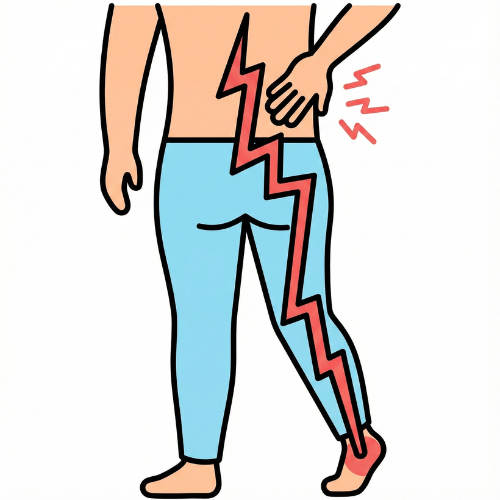
Sciatica
Pain that radiates along the path of the sciatic nerve (from lower back to leg), usually due to a herniated disc or spinal compression.

GERD (Gastroesophageal Reflux Disease)
A chronic condition where stomach acid frequently flows back into the esophagus, causing heartburn and acid reflux.

Peptic Ulcer
Open sores that develop on the inner lining of the stomach or small intestine due to excess acid or infection (H. pylori).

IBS (Irritable Bowel Syndrome)
A functional bowel disorder causing abdominal pain, bloating, constipation, or diarrhea without visible damage to the intestines.
Liver Cirrhosis
Severe scarring of the liver caused by chronic liver damage (from alcohol, hepatitis, or fatty liver), leading to liver failure if untreated.

IBD (Inflammatory Bowel Disease)
A group of chronic intestinal disorders (like Crohn’s disease and ulcerative colitis) that cause inflammation and ulcers in the digestive tract.

Cyst-related Disorders
Fluid-filled sacs (cysts) that develop in reproductive organs (like ovarian cysts), sometimes causing pain or hormonal imbalance.

Spermatorrhea
Involuntary or excessive discharge of semen without sexual activity, often due to stress or hormonal imbalance.

Hydrocele
A painless buildup of fluid around the testicle causing scrotal swelling, common in infants or adults with injury/infection.

Epididymal Cyst
A benign fluid-filled lump in the epididymis (behind the testicle), usually painless and harmless.

Chronic Kidney Disease (CKD)
A long-term condition where the kidneys gradually lose their ability to filter waste from the blood, leading to toxin buildup..
Polycystic Kidney Disease (PKD)
A genetic disorder causing multiple cysts in the kidneys, leading to enlarged kidneys and reduced function over time.
Recurrent Kidney Stones
Repeated formation of hard mineral deposits in the kidneys, causing severe pain and urinary issues.
Diabetes Mellitus
A metabolic disorder where the body cannot properly regulate blood sugar due to lack of insulin or resistance to it.
Diabetic Foot
A complication of diabetes causing poor circulation and nerve damage in the feet, leading to ulcers or infections.
Diabetes-related Disorders
Health complications arising from diabetes, including neuropathy, retinopathy, kidney damage, and heart disease.

Schizophrenia
A severe mental disorder affecting thoughts, emotions, and behavior, often causing hallucinations and delusions.

Anxiety
A mental health condition marked by excessive worry, fear, and tension that interferes with daily life.

Obesity
A lifestyle and metabolic disorder characterized by excessive body fat accumulation, increasing risk of diabetes and heart disease.

PTSD (Post-Traumatic Stress Disorder)
A mental health condition triggered by experiencing or witnessing a traumatic event, leading to flashbacks and anxiety.
Goiter
An abnormal enlargement of the thyroid gland, often visible as a swelling in the neck, caused by iodine deficiency or thyroid dysfunction.

Infertility (Primary/Secondary)
The inability to conceive after a year of unprotected intercourse (primary: never conceived; secondary: conceived before but not now).